
Ageing Population - what does it really mean?
You may have seen the term “ageing population”. In this short piece we look at the numbers and the real implications behind the term “ageing population”.
Ageing population is defined as “an increasing median age in a population...” The median age is the mid point that marks where 50% of the population are younger and 50% are older. Put simply, an ageing population means the average or median age of a particular country is changing to be older.
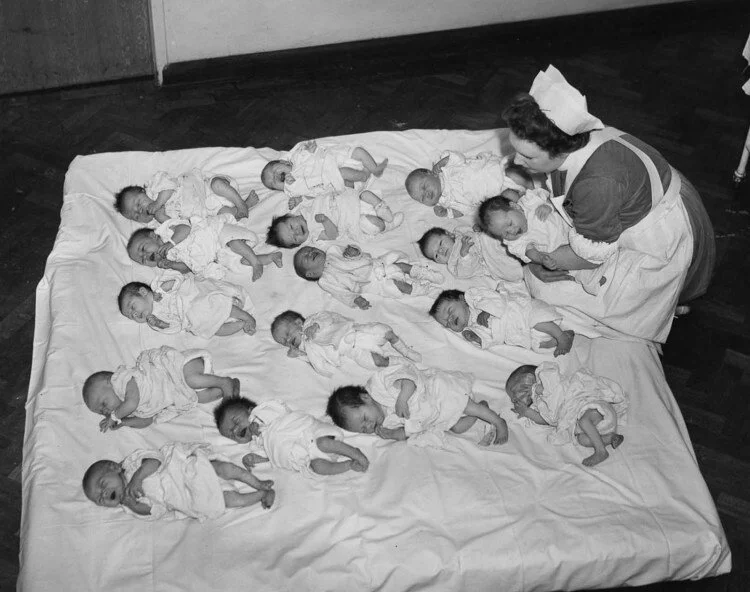
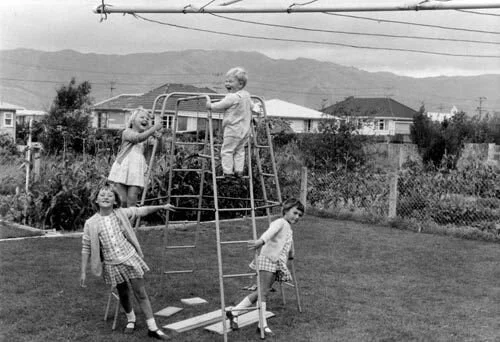
Before looking at the median age of Australia’s population, note that the late 1940’s through to the mid 1960’s saw the combination of two issues that worked towards lowering Australia’s median age.
1. a very high fertility rate and
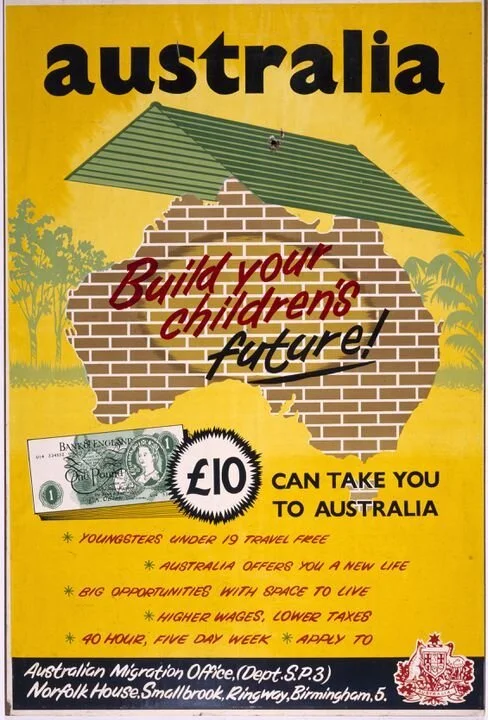

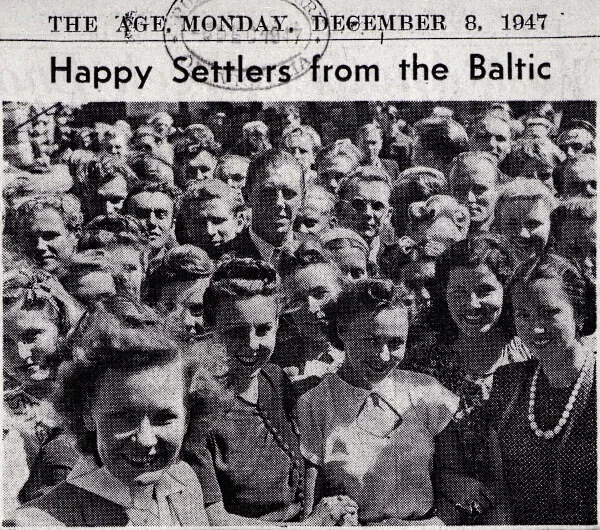

2. a big increase in migrants.
Aussies were popping out babies faster than ever. As well, young skilled migrants were marrying and having large families. In the same period there was a missing generation of men who had perished in the first world war and the shortened life expectancy of many survivors. The result is the big dip in median age that starts in 1950 and ends in 1970.
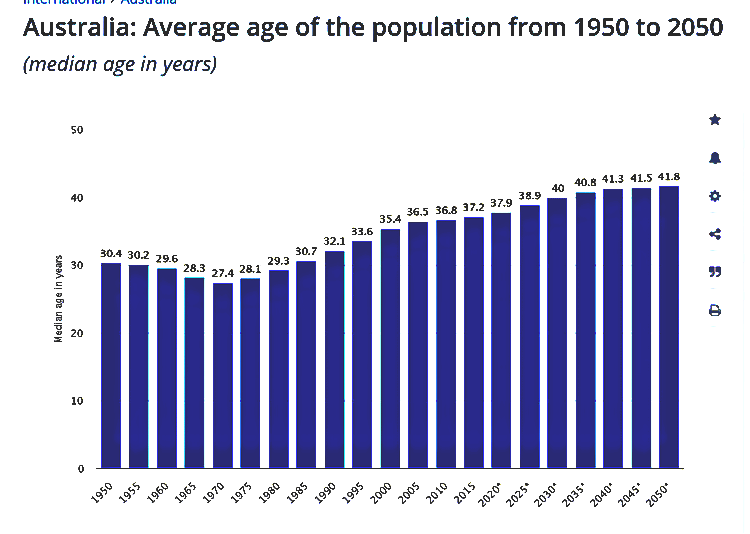
But notice from 1970, the median age starts increasing. What changed after 1970? Two things;
1. Female contraception and a range of social changes that contribute to fertility rates crashing across the developed world. That means a lot less babies. And
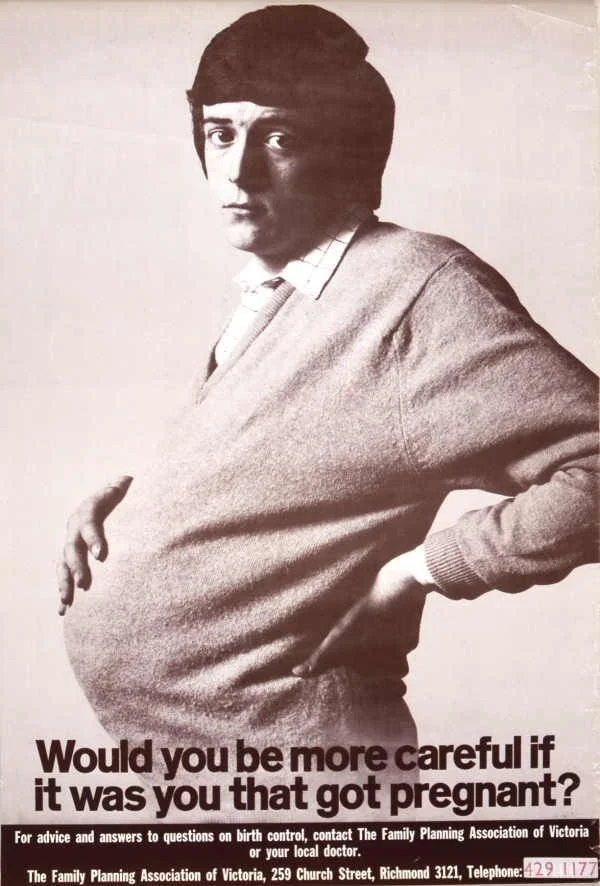
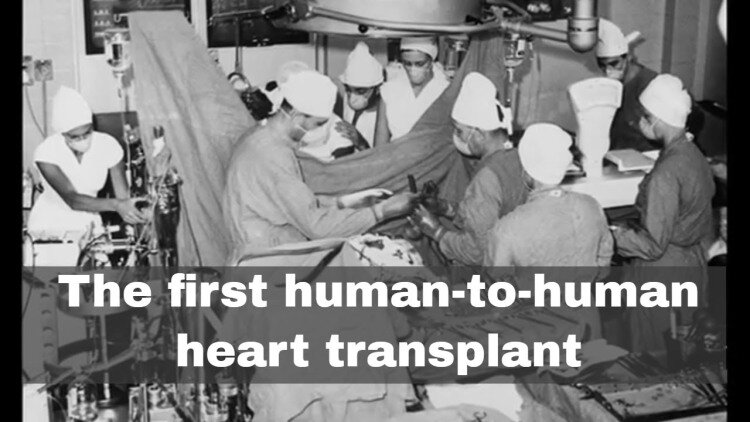
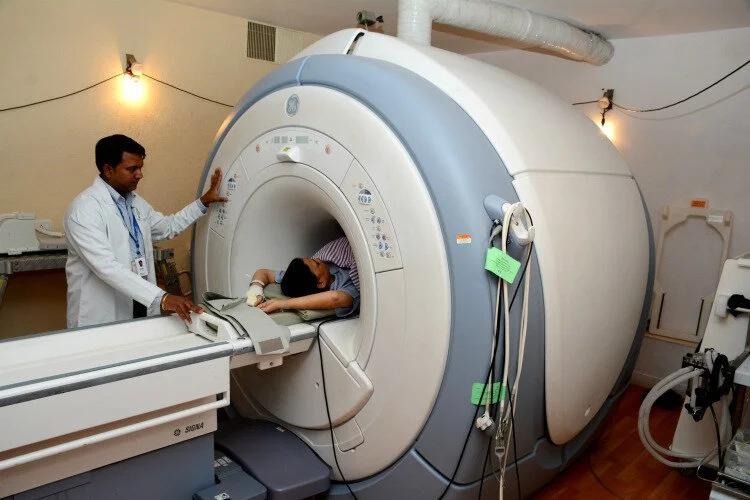

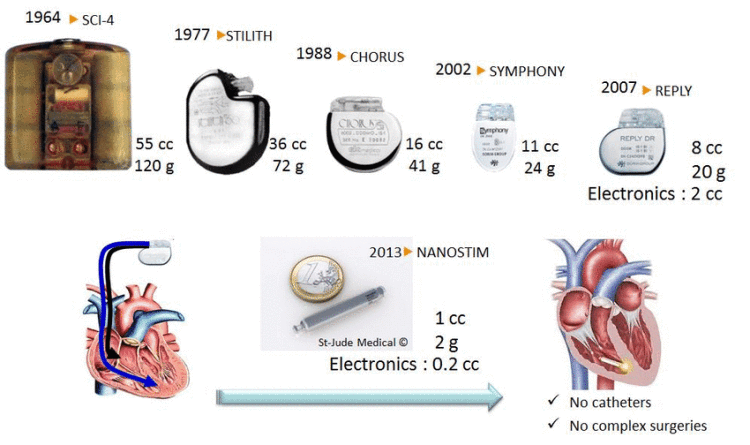
2. Big advances in medicine like heart operations, pacemakers and organ transplants that all add to life expectancy, that is older people living longer Combine these two factors and you get a lot less babies and a lot more older people Hence the median age goes from 27.4 years of age in 1970 to 37.9 years by 2020.
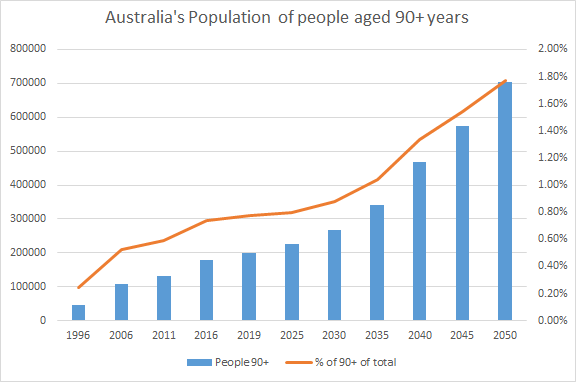
The graph below shows the rapid increase in Australians aged 90+, you can see it really takes off around 2030. In raw numbers, in 2020 there are just over 200,000 people aged 90 years and over doubling to 400,000 in 2037 and double again to 800,000 in early 2054.
You may be thinking this is all too far into the future and I’ll be long gone - Maybe not!
A Less Exclusive 100 Club
Of people turning 80 in 2020, about 14% will celebrate their 100th birthday.
For those turning 66 in 2020, about 21% of you will be blowing out 100 candles in that magic year 2054.
If you’re turning 55 in 2020, be warned, there may be candle shortages, because almost 37% of you will reach 100.
Obviously these are raw averages and lifestyle and family health all play a part in ones life expectancy. Also Females have had a longer life expectancy than men although that gap is decreasing.
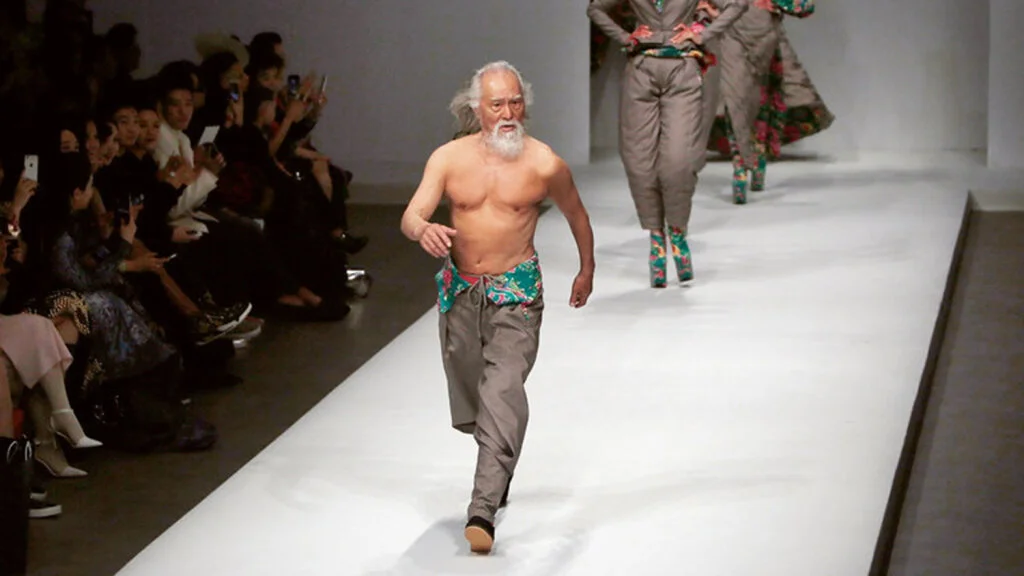
Mr Wang age 80 does fashion catwalk.
https://sixtyandme.com/at-age-80-this-man-may-be-the-worlds-hottest-grandpa/
Remember how women always live longer than men? Even that is narrowing. Between 1996 and 2016 male life expectancy increased around 4.8 years, females around 3.3 years. With people living healthier lifestyles, further advances in medicine and our ageing loved ones receiving quality care early, life expectancy will continue significantly upwards.
It can increase life expectancy if older loved ones remain living in their home safely - for as long as possible. iStay@Home can help.